Table Of Content
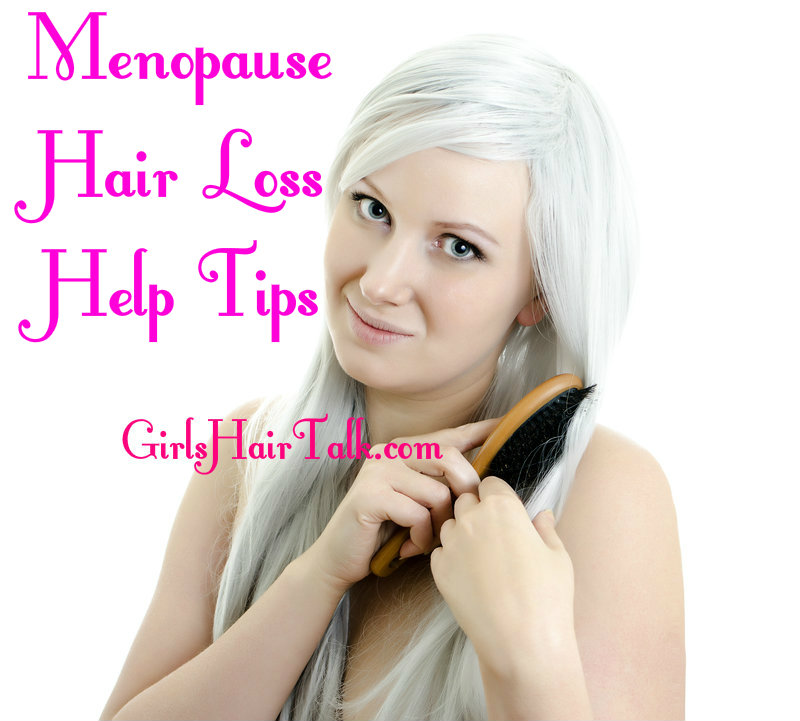
In women, this increases miniaturization of the hair follicle and potentially death to the hair follicle. Any hormonal shift can lead to an imbalance resulting in hair loss. Adversely, an increase in androgens can lead to an increase of facial and body hair. So common, in fact, that about half of women experience hair loss during menopause, says Ellen Marmur, MD, a board-certified dermatologist and founder of MMSkincare. Unsurprisingly, one of the main culprits is the big hormonal shifts that occur during this period, along with other health and lifestyle factors that can contribute to thinning. When estrogen levels decline with menopause, it not only accelerates skin aging but affects the hair follicles and can contribute to hair loss and thinning.
cancer and cancer treatments
21 Female Celebrities Who Opened Up About Hair Loss - SheKnows
21 Female Celebrities Who Opened Up About Hair Loss.
Posted: Fri, 09 Feb 2024 08:00:00 GMT [source]
“Over time, the constant pulling damages the hair follicles, leading to thinning or bald patches, especially around the hairline or where the hair is pulled tightly. Traction alopecia is a type of hair loss caused by prolonged pulling or tension on the hair follicles. Finally, keep in mind that the same healthy habits recommended for maintaining your physical health will also help your hair. Try to find ways to manage stress, and strive for a well-balanced diet that includes plenty of fruits and vegetables. If you have healthy hair on the back or side of your head, a doctor can surgically remove hair strands from those areas and graft them into your scalp in a bare area.
What are the best treatments for alopecia?
These two hormones have a significant impact on healthy hair growth and without them, the hair can become thin, dry, and break easily. If menopause is determined to be the reason for hair loss, Dr. Wendel says the patient will be diagnosed with androgenic alopecia (AGA), also called female pattern hair loss. While this type of hair loss is not only confined to menopause, Dr. Wendel says that the majority of women with AGA are perimenopausal or postmenopausal, age 45 or older. Treatment options for menopausal hair loss can include medication such as Rogaine and procedures like microneedling. It can also include lifestyle changes, including reducing stress, exercising, and eating a healthy diet. Being kind to your hair by avoiding harsh hair-care practices can also encourage a healthier scalp and less hair loss.
Editorial Advisory Board Member, Harvard Health Publishing
“Plus, if you’re experiencing thinning then your scalp is more exposed to environmental aggressors (such as UV rays) and harsh ingredients. If you are experiencing hair loss, it’s also important to see a doctor to rule out any other health conditions, such as nutrient deficiencies, chronic illnesses or cancer. Nutrafol's hair growth and support products are created from patented formulas targeting six key root causes affecting hair health and are tailored to your ever-changing needs. The research on microneedling for hair regrowth focuses on androgenetic alopecia.
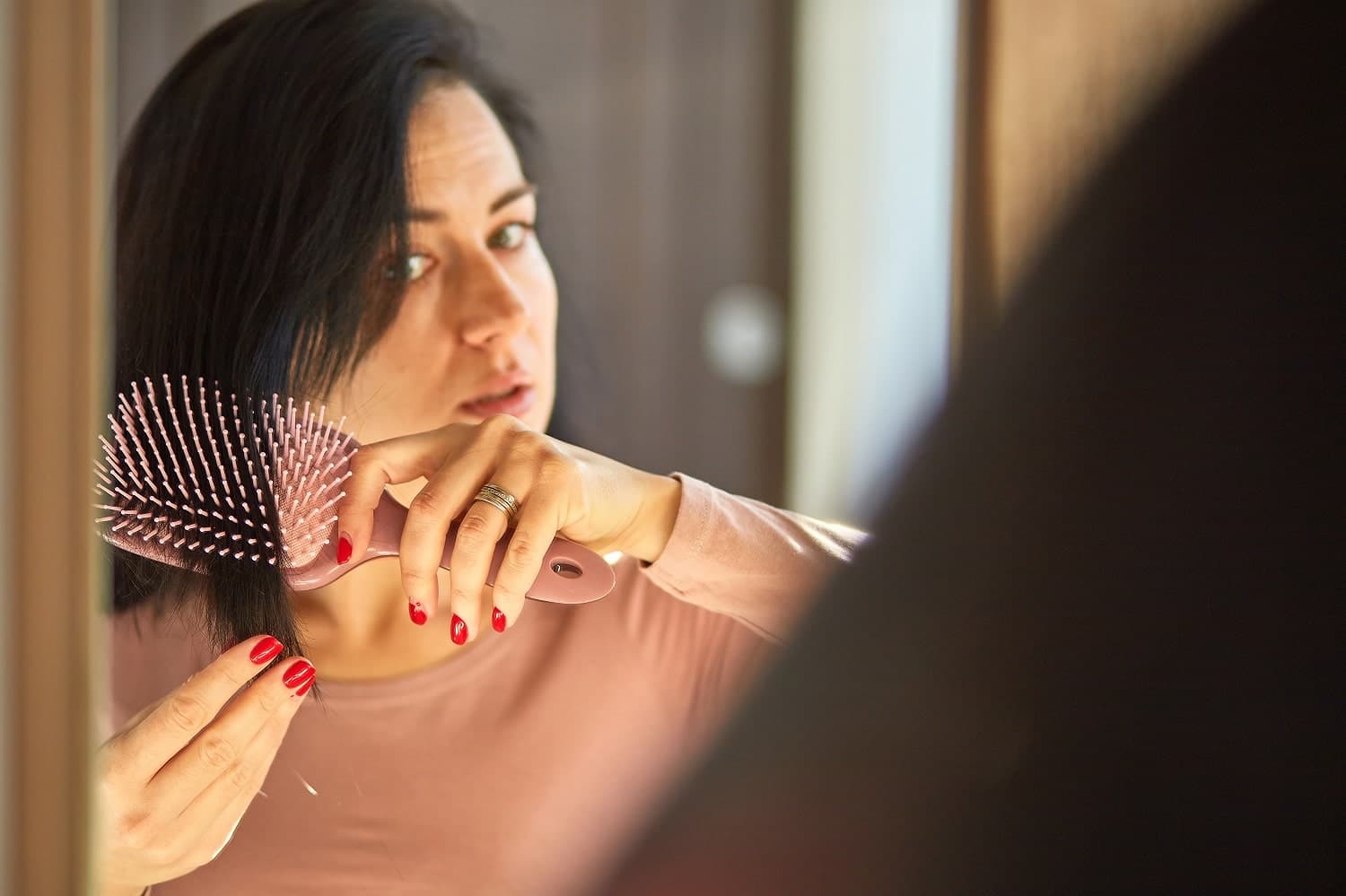
This reversal of hair loss is due to my hormones naturally stabilizing after perimenopause. I also took steps to improve the quality of my hair and prevent further loss and damage. Menopause hair loss and hair damage are a surprisingly common problem, and almost half of women experience these types of changes throughout their menopausal transition. I first noticed my own menopause related hair loss part way through my perimenopause journey. At first, I was devastated to discover that parts of my scalp seemed more visible than they had done before. And as my hair brush collected more and more hairs each day, my thoughts rushed to the worst case scenario, and I worried that soon, I could be bald.
However, more serious hair loss can be upsetting for the sufferer and even an indication that something is wrong with your health. If you have alopecia, you can help hold onto your tresses by avoiding behaviors that are known to contribute to temporary and permanent hair loss, Mirmirani says. Generally speaking, the sooner you start treatment, the more options you have and the better your results, dermatologists say. Those pesky dark marks, sometimes called age spots, often appear after menopause and they’re hard to treat at home. HRT (Hormone replacement therapy) has been known for its effectiveness in managing several menopausal issues like hot flashes, insomnia, sleep ... Hair loss is a normal part of menopause for many women, myself included.
certain medications
While most discussion of middle aged hair loss centers around men, a significant proportion of women also experience thinning hair, and it usually happens during menopause. These changes happen due to varying levels of hormones during menopause. ‘Perimenopausal and menopausal hair loss happens slowly, but once it’s noticed, it seems like the hair has thinned overnight.
Look for blends containing vitamins A and C, B vitamins such as folic acid and biotin, and minerals including zinc and silica. In order to prevent drying and breakage, it’s best to stay away from heat tools, such as hair dryers and straightening irons. Extensions and other styling methods can also weaken your hair and cause early hair loss. Most women experience overall hair thinning rather than noticeable bald spots.

Of these, hair grafting is the most common hair transplant procedure. Sometimes referred to as hair plugs, each graft contains one to 15 hairs. There are a plethora of scalp treatments to help balance the biome, from simple exfoliating and detoxifying to full-service trichologist interventions. As an entry level, consider at-home red light therapy, with proven benefits for the hair including tackling sebum over-production, scalp circulation and strengthening follicles for thicker hair. “Certain chemicals found in shampoos, conditioners, hair dyes, and styling products can strip the hair of its natural oils, leading to dryness, breakage, and hair loss. A lack of essential vitamins and minerals such as iron, zinc and vitamin D can contribute to hair loss, particularly if you are experiencing an iron deficiency.
The average UK age for going through menopause is 51 but perimenopause symptoms can start much earlier – which is where you might notice hair loss and shedding. While menopausal hair loss is common, it's not forever – and there are things you can do to help boost your strands again. While there are no guaranteed ways to prevent hair loss during menopause (gotta love those hormones), there are hair loss solutions that can help reverse thinning after the fact.
Denning advises that you speak with your GP early - as soon as you notice a change in your hair - so that a possible cause can be identified. You might have a nutritional deficiency, for instance, that can easily be remedied with the right supplement. Another tip I suggest is to limit brushing your hair as much as possible, and tie your hair back with soft-coated elastic hair bands that don’t promote breakage. Many women go the extra mile and stop dying their hair, embracing their grays and letting their true color show. Personally, I’m not quite ready to do the same just yet, but I have switched to an all-natural product without harsh chemicals like peroxide and ammonia, and my hair is much happier for it. Practices such as blow drying, bleaching, tinting, and using straightening and curling irons all take their toll.



No comments:
Post a Comment