Table Of Content
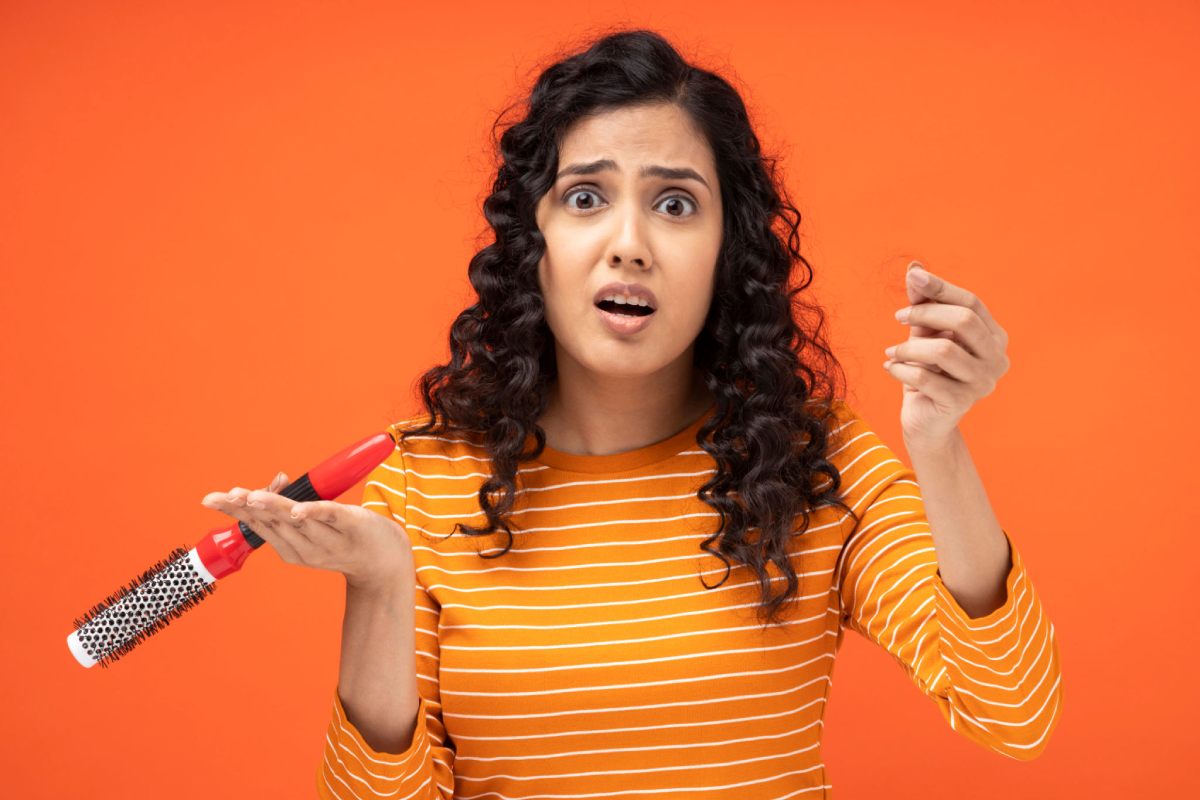
The hair’s growing phase also gets shorter and fewer hairs are in the active growing phase. When the levels of estrogen and progesterone drop, hair grows more slowly and becomes much thinner. A decrease in these hormones also triggers an increase in the production of androgens, or a group of male hormones. Androgens shrink hair follicles, resulting in hair loss on the head. Since stress can exacerbate hair loss, Dr. Cole also recommends people experiencing hair loss due to menopause prioritize self-care practices and ways to protect from chronic stress. “Following a healthy diet full of omega-3 essential fatty acids and B vitamins will provide the right building blocks for hair growth,” explains Dr. Cole.
Symptoms of menopause related hair loss:
A Sneaky Vitamin Deficiency May Be the Cause of Your Thinning Hair, Dermatologists Say - Yahoo Life
A Sneaky Vitamin Deficiency May Be the Cause of Your Thinning Hair, Dermatologists Say.
Posted: Wed, 17 Jan 2024 08:00:00 GMT [source]
Someone like Bruce Willis can just shave their head look fine, but it tends to be a bigger deal for women,” says Dr. Ablon. It's important to note that estrogen and progesterone aren't often tested in menopause or post menopause because with the cessation of your period, we expect these hormones to be low. Not all of these tests may be necessary in your case, which is why meeting with an experienced practitioner can help in determining the best lab tests. Managing stress and anxiety is a strategy to help prevent the changes in hair health driven by chronic stress. I share some of my best tips and information about addressing the root causes of stress and anxiety in the article The HPA Axis and Healing Anxiety.
Trademark Notice
Look for one that has collagen-stimulating ingredients such as niacinamide, barrier-supporting lipids such as ceramides, and agents that wake up groggy follicles such as caffeine. It’s important to keep your stress levels in check to prevent a hormonal imbalance. Reduced estrogen production can affect your brain chemistry and cause mood swings, anxiety, and depression.
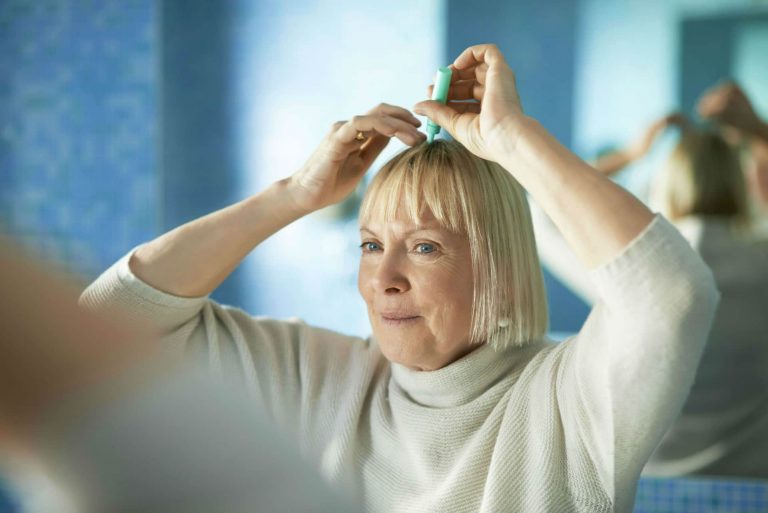
What are menopausal hair loss symptoms?
If you’re already taking a pre- or probiotic, then you’ll be aware of the positive impact of balancing your biome. Now, our relatively recent preoccupation with gut health and how bacteria can influence our overall well being, has reached, well, the tops of our heads. “Ingredients like sulphates, parabens, and formaldehyde can irritate the scalp and weaken the hair, making it more prone to falling out. No matter what your skin challenges are, sunscreen is your friend. Sun protection can ward off signs of aging and prevent skin cancer. She explains that your doctor will want to take a full medical history.
Gabrielle Union Opens up About Hair Loss and Weight Gain During Menopause - Katie Couric Media
Gabrielle Union Opens up About Hair Loss and Weight Gain During Menopause.
Posted: Fri, 08 Dec 2023 08:00:00 GMT [source]
Nearly 50% of women going through menopause, typically in their forties and beyond, will experience moderate to excessive hair loss, shedding and thinning. Happily, there are now topical treatments for these issues that can be done in-office or at home to bolster significant growth with zero downtime or negative effects. Unfortunately, women are not taught to care for the long-term health of their hair and scalp. They can strengthen the hair follicle, increase the growing phase of the hair known as the Anagen stage and help neutralize DHT from miniaturizing the hair follicle. Light therapy is another option, but this only works when a very specific wavelength of light at a specific strength is used for a specific amount of time during the week.
A large body of research has shown that these over-the-counter creams and foams, applied to the scalp daily, are effective at stimulating hair growth, increasing hair density and halting hair loss over time. Most users see results after consistent use for about two months. By contrast, scarring alopecia, another autoimmune disease that causes hair loss, is often accompanied by itchiness, tenderness and scaling of the scalp. Scarring alopecia is the most devastating type of hair loss, Mirmirani says, because it permanently destroys the hair follicles.
Vitamins & Supplements
Hair loss can occur if you wear pigtails, braids or cornrows, or use tight hair rollers. Use of this website and any information contained herein is governed by the Healthgrades User Agreement. Always consult a medical provider for diagnosis and treatment. Your doctor should also physically examine your scalp, either directly or with dermatoscopy (a microscope used to view the epidermis), and may perform a hair pull test. Finasteride can be used topically to inhibit 5-alpha reductase activity, preventing the conversion of testosterone to DHT.
Hair loss that may happen during menopause is not triggered by one single factor, though hormones do play a significant role. This kind of hair loss is multifactoral and complex—one of the many reasons it can be so frustrating. Early treatment of a receding hairline (frontal fibrosing alopecia) might help avoid significant permanent baldness. The cause of this condition is unknown, but it primarily affects older women.
Topical minoxidil (Rogaine and generic)
There are at home and natural remedies for hair loss that you can try immediately or in conjunction with the recommendations of your provider. We all shed some hair daily, but excess hair loss can show up as increasing hair fall. You may notice more hair in the brush after brushing, in the shower drain, on your clothing, and on your pillowcase. When you stop menstruating, iron deficiency anemia may be overlooked.
LloydsPharmacy Online Doctor has also partnered with professional hair stylist, Megan Brooks, from IHS Hair Replacement London, to give advice on the best hairstyles to try if you are experiencing thinning hair. Dozens of over-the-counter supplements and products purport to reverse hair loss, making it tough for patients to know which ones work and which don’t. “As soon as you notice hair loss is happening, you should come in,” says Lauren Eckert Ploch, a dermatologist in Aiken, South Carolina. It’s usually genetic, but it can also be triggered by diseases or disorders that attack the hair follicles. Hair loss, or alopecia, affects more than 80 percent of men and 50 percent of women, and the risk increases with age. While menopausal hair loss can’t be cured overnight, it can be immeasurably improved.
A review study published in 2022 found that it significantly increases hair diameter and hair count in patients with several types of alopecia. It typically isn’t covered by insurance, and it can be expensive, Mirmirani says. While alopecia doesn’t typically affect your physical health, the emotional and psychological distress it can cause are very real. Some women get acne throughout their lives while others get more acne when estrogen levels drop after menopause.
In addition to the micronutrients listed above, it’s also important to eat enough quality macronutrients – protein, carbohydrates, and fat. This set up of recipes can serve as a good starting place for anyone wanting to make diet changes to improve hair health. HRT supports several perimenopausal and menopausal symptoms, including skin (and hair) health. While hormone treatments can bring symptom relief and in some cases, slow or reverse hair loss, it is important to remember that certain hormones may contribute to hair loss.
A study in the Annals of Dermatology found that red light stimulated growth and reversed the miniaturization of the follicle. Marmur says research has also suggested that a pulsed red light setting is optimal for follicular stimulation; she recommends doing four 20-minute sessions a week. Hormones like estrogen and progesterone affect the rate of hair growth, the volume of individual strands, and the rate of hair shedding. Other health factors can contribute to hair thinning, so discuss excessive hair shedding with your healthcare provider to rule out other causes. “Female pattern hair loss, also known as androgenetic alopecia, is common and can occur at any age, but it's thought that 40% of women aged 70 or over experience the condition in some form.
In terms of treating hair loss connected to menopause, Dr. Cole says the best course of action is to set the right conditions to discourage more loss and encourage more hair growth. This means avoiding harsh chemicals and aggressively rubbing the scalp when washing hair, she says. When trying to figure out whether hair loss is connected to menopause, it’s important to consider the symptoms one is experiencing. This is in contrast with hair loss caused by extreme stress, which can be more sudden, happening two to three months after a specific stressful event.



No comments:
Post a Comment